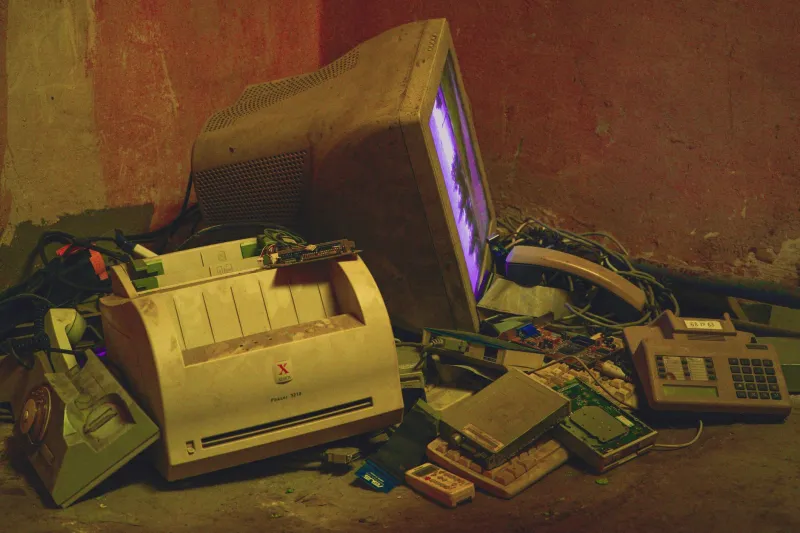
Dust, Nostalgia, and Dead Coils: What Your Stash of Old Vape Gear Is Really Telling You
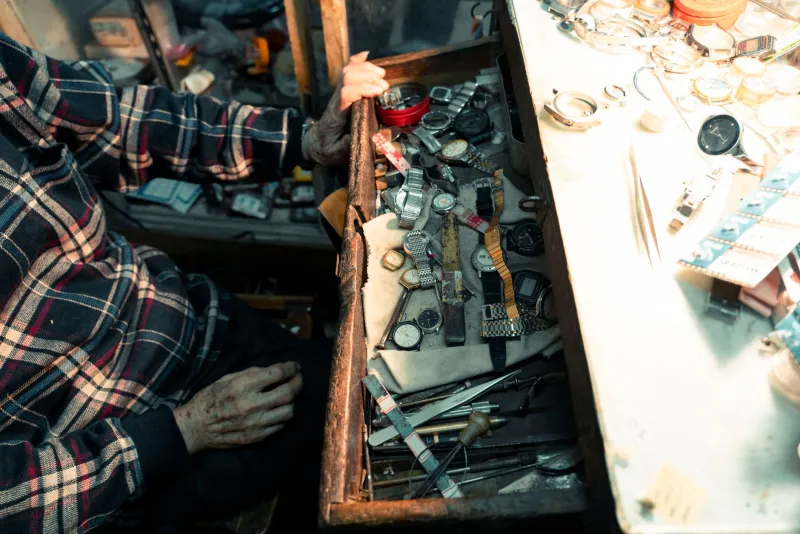
Open the junk drawer. Go ahead — you know the one. Somewhere in your home there's probably a tangle of USB-C cables, a few half-used bottles of e-liquid, and at least two or three mods you swore you'd come back to "eventually." Maybe there's a squonker you loved for about three weeks, or a pod system that got replaced the moment something shinier came along. If any of that sounds familiar, you're not alone — and you're not just disorganized. You're a vaper, and this is practically a rite of passage.
But here's the thing: that pile of old gear isn't random clutter. It's actually a pretty honest record of your entire vaping journey, including your habits, your impulses, and the decisions you haven't quite been willing to make yet.
The Sentimental Side of Vape Gear
There's a reason people hold onto their first mod even after it's been outclassed by everything they own now. Gear carries memory. That battered box mod might remind you of the first time you actually dialed in a coil build that worked, or the road trip where you and a friend sat outside a gas station and swapped tanks for an hour. Objects absorb experience, and it's genuinely human to resist throwing them away.
Vaping culture, maybe more than most hobbies, accelerates this kind of attachment. The hardware evolves fast — sometimes a device that felt cutting-edge two years ago looks almost primitive compared to what's on shelves today. That rapid pace means your collection grows quickly, and each piece gets replaced before you've had enough time to really move on emotionally.
So the drawer fills up. And every time you crack it open looking for a spare coil, you see that old setup staring back at you, and you close it again without throwing anything out.
The Practical Justification We All Use
Ask any vaper why they keep their old gear and you'll hear some version of the same answer: "It's a backup." And look, that's not entirely wrong. Having a secondary device for emergencies — a dead battery, a cracked tank, a coil that gives up right when you've run out of replacements — is genuinely useful. A functioning backup isn't hoarding, it's preparedness.
The problem is that most of what's sitting in that drawer isn't really functioning as a backup. It's functioning as a maybe. Maybe you'll use it when you travel. Maybe you'll lend it to a friend who wants to try vaping. Maybe you'll strip it for parts. These are intentions, not plans, and they have a way of staying intentions indefinitely.
Be honest with yourself: when's the last time you actually reached for that old device in a pinch? If the answer is "never" or "I honestly can't remember," then it's not a backup — it's furniture.
What Your Accumulation Patterns Say About How You Vape
The way your collection has grown over time tells a pretty clear story about your decision-making style as a vaper.
If you've got a lot of half-finished pod systems, you probably chased convenience at some point and then felt limited by it. Maybe you're a flavor chaser at heart who keeps trying to simplify, only to get pulled back toward more complex setups.
If your drawer is full of rebuildable atomizers you stopped using, you likely went through a DIY phase that ran into the reality of how much time and patience building actually takes. No shame in that — plenty of vapers dip into that world and decide the juice isn't worth the squeeze.
A collection heavy on limited-edition or collaboration mods says something different: you're drawn to vaping as a hobby with an aesthetic and collector dimension, not just a nicotine delivery method. That's a legitimate way to engage with the culture, but it also means you're probably spending money on things that will spend most of their lives on a shelf.
None of these patterns are bad. They're just worth recognizing, because awareness is usually the first step toward spending smarter.
When Nostalgia Becomes an Obstacle
Here's where it gets a little uncomfortable. Sometimes holding onto old gear isn't about practicality or even nostalgia — it's about avoiding a decision. Keeping a mod around means you don't have to fully commit to the upgrade that replaced it. If the new setup doesn't work out, you've got a safety net. If someone questions whether you needed to spend money on new hardware, you can point to the old device and say you're keeping it "just in case."
This kind of low-key gear hoarding can actually slow down your progress as a vaper. When you're not fully committed to your current setup, you're less likely to really learn it — to experiment with airflow, fine-tune your wattage, or explore what it can actually do. You stay comfortable in a kind of halfway state, never quite moving forward.
The gear in that drawer can become a way of hedging your bets indefinitely.
A Practical Framework for Letting Go
So what do you actually do about it? A few questions worth asking about each piece of gear collecting dust:
Does it still work? If a device has a cracked screen, a stuck fire button, or a 510 connection that's seen better days, it's not a backup — it's a liability. Retire it.
Have you used it in the last six months? If the answer is no, it's not serving a real purpose in your rotation. That's your sign.
Is it something you'd genuinely recommend to a beginner? If yes, consider passing it along. A lot of local vape shops accept gear donations, and some even facilitate swaps within the community. Your "old" device might be someone else's first real setup.
Is it worth selling? Certain mods hold value surprisingly well, especially limited runs or devices from brands with strong followings. A quick look at what's moving on secondhand forums might surprise you.
And if something genuinely does carry sentimental weight? Keep it. Just keep it intentionally, not by default. Put it somewhere you can actually see it, not buried under a pile of mystery cables.
The Cleaner Drawer Principle
There's something that happens when you actually clear out the vape graveyard. It's not just about having less stuff — it's about having a cleaner relationship with the hobby itself. When your current setup is your only setup, you pay more attention to it. You maintain it better, you learn it more thoroughly, and you enjoy it more.
Vaping is supposed to be a pleasure, not a project management exercise. The gear that's sitting unused in that drawer isn't enhancing your experience — it's just a reminder of decisions you haven't finished making.
So crack it open one more time. Take stock of what's actually in there. And start making some calls.