Mods That Hold Their Worth: A Vaper's Guide to Buying and Selling Smart
Most vapers don't think about resale value when they're clicking "add to cart" at midnight. But if you've spent any time browsing the secondhand market — Reddit's r/ecigclassifieds, Facebook Marketplace, Craigslist, eBay — you already know that the gap between what people paid for their gear and what they're getting back for it can be pretty wide. Sometimes painfully so.
Here's the thing though: not all vape hardware loses value at the same rate. Some devices hold up surprisingly well on the secondary market. Others are essentially worthless the moment someone else has owned them. Knowing the difference can save you real money — whether you're buying, selling, or both.
Why Vape Gear Depreciates (And Why Some Doesn't)
Most consumer electronics lose value quickly, and vape hardware is no different — with a few notable exceptions. The factors that drive depreciation in this market are pretty consistent:
- Rapid product cycles: Brands release new versions of popular devices constantly. Last year's flagship mod becomes this year's mid-tier option almost overnight.
- Wear and finish damage: Resin panels scratch, anodized coatings chip, and paint rubs off in ways that are immediately visible and hard to ignore.
- Battery degradation: Integrated battery devices lose capacity over time in a way that's invisible but very real — and buyers know it.
- Coil and glass availability: Tanks lose value fast when the manufacturer discontinues coil support. Nobody wants a tank they can't get coils for.
What keeps certain devices from following this same downward trajectory? A combination of build quality, brand prestige, community demand, and — increasingly — collector appeal.
The Brands That Consistently Hold Value
A few manufacturers have earned a reputation for producing hardware that the secondary market actually wants.
Lost Vape is probably the strongest example right now. Their Centaurus and Thelema lines, particularly in high-end resin or carbon fiber panels, regularly fetch 60–80% of retail on the secondhand market even after significant use. The build quality is genuinely premium, and the brand has cultivated a following that actively seeks out older models.
Vaporesso hits a middle ground — popular enough to move quickly on the used market, but not so exclusive that prices stay high. Expect around 40–60% of retail for well-maintained units.
GeekVape (particularly the Aegis series) holds value well specifically because of its reputation for durability. Water resistance and rugged construction mean buyers trust that a used Aegis has a better shot at being actually functional than a random used mod of unknown provenance.
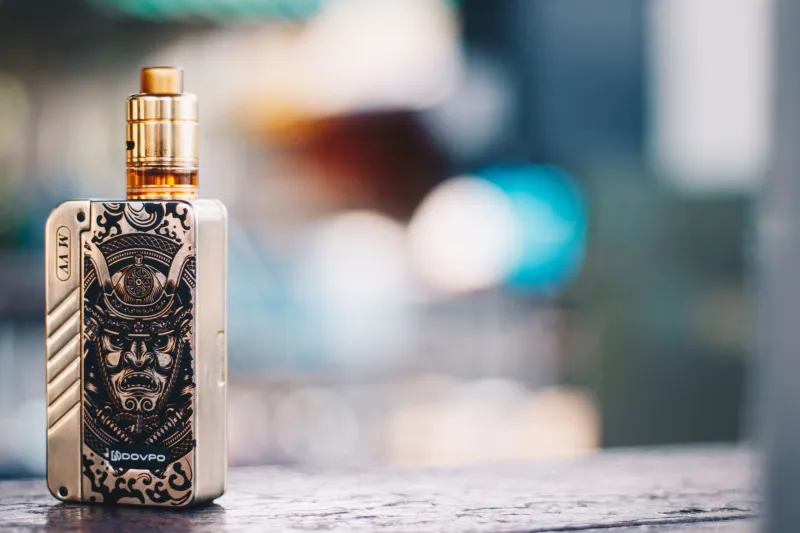
DNA chip devices — anything running a Evolv DNA board — are in their own category. The Evolv DNA chip is widely considered the gold standard in regulated mod performance, and devices from Dovpo, Lost Vape, and a handful of boutique builders that use it tend to depreciate much more slowly than competing hardware. A DNA250C mod in good condition can hold 70% or more of its original value for years.
Mechanical mods from reputable US-based or boutique builders can actually appreciate over time if they're well-made and limited in production. This is a small but real collector market.
What Tanks Are Worth Buying Used
Tanks are trickier than mods, mostly because of the coil availability issue mentioned above. The safest used tank purchases are those where coil support is still active and the tank hasn't been discontinued.
The Uwell Crown series, Freemax Mesh Pro, and Voopoo TPP platform tanks all have strong coil ecosystems that don't look like they're going anywhere soon. Tanks on these platforms are generally safe to buy used as long as the glass is intact and the coil head seating isn't damaged.
Avoid buying used mesh tanks where the coil head is proprietary and the brand has a spotty history of discontinuing products without notice. You'll end up with a paperweight.
RDAs and RTAs (rebuildable atomizers) are actually excellent secondhand buys, because they don't rely on proprietary coils at all — you build your own. A used RDA from a reputable brand in good condition is often the best deal in the entire used market.
Red Flags When Buying Used
Shopping used can be great, but the vape secondhand market has its share of sellers who aren't exactly upfront about what they're offloading. Here's what to watch for:
"Works great, just upgrading" with no photos of the actual device. Always ask for photos of the firing button, the screen (if applicable), the threading, and the battery contacts. These are the first things to show wear.
Integrated battery devices with no mention of cycle count. There's no easy way to check this remotely, which is exactly why some sellers don't bring it up. Ask directly how old the device is and how heavily it was used.
Tanks sold without the original glass. Replacement glass is cheap, but a seller who's already broken one piece of glass might have treated the tank roughly in other ways too.
Prices that seem too good. A $180 mod listed for $30 isn't a deal — it's a question. Either the device has a problem the seller isn't disclosing, or it's not what they claim it is. Both happen more than you'd think.
Clones listed as authentic. This is unfortunately common. If a deal seems too good on a high-end device, do your homework on how to authenticate that specific model before committing.
How to Get the Best Price When You're Selling
If you're on the other side of the transaction, a little presentation goes a long way. Clean the device thoroughly. Include original packaging if you have it — this alone can increase what buyers are willing to pay by 10–20%. Take well-lit photos that honestly represent the condition. And price based on comparable sold listings, not just active ones.
Selling through community-specific platforms (like r/ecigclassifieds) tends to get better prices than general marketplaces like eBay or Craigslist, because you're reaching buyers who understand what they're looking at and are willing to pay accordingly.
The Bottom Line on Vape Hardware as an Investment
Treating vape gear as a pure financial investment is probably a stretch — this isn't crypto or fine art. But approaching your purchases with resale value in mind is just smart consumer behavior. Prioritize quality over novelty. Favor brands with strong community followings. Keep your gear clean and hold onto original packaging. And when you're ready to move something on, know that the right buyer is out there — you just have to reach them.
The secondary market rewards vapers who buy thoughtfully. Start thinking about exit value before you buy, and you'll almost always come out ahead.