Penny-Wise, Pound-Foolish: The True Cost of Chasing Cheap Vape Juice
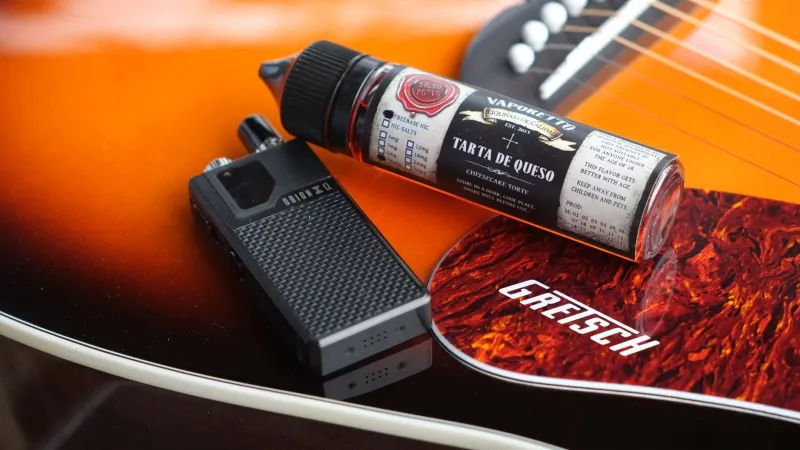
We've all been there. You're standing in a vape shop or scrolling through an online store, and your eyes land on a 60ml bottle priced at $7.99. Right next to it sits a 30ml option for $22. The budget pick is objectively more liquid for less money — at least on paper. So you grab the cheap one, maybe two of them, feeling pretty good about yourself.
Then, about a week later, your coil tastes burnt, your setup is gurgling, and the flavor profile that sounded amazing on the label tastes like sweetened cough syrup. Sound familiar?
The vape budget trap is real, and it catches a lot of people — especially newer vapers who haven't yet learned that e-liquid pricing isn't arbitrary. Here's a full breakdown of what's actually happening when you opt for the cheapest juice on the shelf, and why it often ends up costing you significantly more in the long run.
What's Actually Inside That Cheap Bottle
Not all vape juice is created equal, and the differences start at the ingredient level. Premium e-liquids typically use pharmaceutical-grade propylene glycol (PG), USP-grade vegetable glycerin (VG), and flavor concentrates sourced from reputable suppliers. The nicotine — whether freebase or salt nic — goes through additional refinement to reduce harshness and improve consistency.
Budget liquids often cut corners here. Lower-grade VG can introduce impurities that gunk up your coil faster. Cheaper flavor concentrates frequently rely on high concentrations of sweeteners like sucralose to mask otherwise flat or off-putting flavor profiles. And while sweeteners make juice taste great on the first few puffs, they caramelize on your coil's cotton wick almost immediately — a process vapers know as "coil killing."
This isn't speculation. It's basic chemistry, and it has a direct dollar impact on your setup.
The Coil Math Nobody Shows You at the Register
Let's talk coils, because this is where the hidden cost really stacks up.
A quality coil for a mid-range sub-ohm tank runs roughly $3 to $5 per coil, and most vapers go through a pack of five coils every few weeks. Under normal conditions — using a reasonably clean juice with moderate sweetener levels — a coil can last anywhere from one to three weeks depending on how heavily you vape.
Now factor in a heavily sweetened budget juice. Many vapers who switch to cheaper, sweeter liquids report coil life dropping to three to five days before they start getting that familiar burnt, acrid hit that signals a dead coil. Do the math on that:
- Premium juice scenario: One coil lasting 14 days = roughly $0.25/day in coil cost
- Budget juice scenario: One coil lasting 5 days = roughly $0.70/day in coil cost
That's nearly three times the coil expenditure, just from the juice choice. Over a full month, you could easily spend an extra $12 to $15 on replacement coils alone — often more than the "savings" you pocketed on the juice itself.
And that's before you factor in the possibility of a ruined tank from excessive buildup, or the time and frustration of constantly swapping coils mid-session.
The Satisfaction Problem
There's another cost that doesn't show up in any spreadsheet: the satisfaction gap.
One of the most underappreciated aspects of premium vape juice is flavor accuracy. A well-crafted strawberry custard from a respected US manufacturer — brands like Naked 100, Jam Monster, or similar — tastes like what it says on the label. The layers are there. The inhale and exhale profiles are distinct. You get a complete experience.
Budget juices, particularly those from unverified overseas suppliers or ultra-low-cost domestic brands, often taste one-dimensional. The sweetener masks the complexity, and after a few days of vaping the same flat profile, something interesting happens: you get bored. You go looking for another bottle. You buy more juice than you would have if the first bottle had actually satisfied you.
This "flavor chasing" cycle is one of the sneakiest ways cheap juice drives up your monthly spend. You're not buying less — you're buying more, more often, because nothing is hitting the mark.
What Premium Pricing Actually Pays For
When you spend $20 to $25 on a quality 60ml bottle, here's roughly where that money goes:
Better raw materials. Higher-purity VG and PG burn cleaner, leave less residue, and extend coil life considerably.
Refined nicotine. Smoother delivery means you're not compensating with higher wattage or more frequent puffs to get the hit you want.
Real flavor development. Reputable juice makers invest in flavor labs, testing, and iteration. That process has a cost, and it shows in the final product.
Domestic manufacturing standards. US-made e-liquids from established brands are subject to FDA oversight and typically manufactured in ISO-certified clean rooms. That matters for what ends up in your lungs.
Consistency. A premium juice should taste the same in bottle one as it does in bottle ten. Budget brands often have batch-to-batch variation that makes it impossible to find a reliable daily vape.
A Simple Cost-of-Ownership Comparison
Let's put this in real-world terms for a month of vaping:
Budget Juice Path:
- 2x 60ml bottles at $8 each: $16
- 8 replacement coils at $4 each (due to accelerated burnout): $32
- Additional bottle purchased mid-month due to flavor dissatisfaction: $8
- Monthly total: ~$56
Premium Juice Path:
- 1x 60ml bottle at $22
- 4 replacement coils at $4 each (normal wear): $16
- Monthly total: ~$38
That's nearly a $20-per-month difference — in favor of buying the more expensive juice. Annualized, you're looking at potentially $200+ in unnecessary spending just by defaulting to the cheapest option on the shelf.
How to Shop Smarter Without Going Broke
None of this means you need to only buy the most expensive juice available. There's a middle tier of e-liquids — typically in the $15 to $22 range for 60ml — that delivers solid quality without the premium brand markup. Here's how to identify them:
- Check the ingredient list. If sweetener (sucralose) is listed prominently or the juice is known for being candy-sweet, expect shorter coil life.
- Look for US manufacturing. Domestic brands are more consistently regulated and easier to verify.
- Read reviews focused on coil life, not just flavor. Vapers who mention extended coil longevity are a good signal.
- Sample before committing. Many vape shops offer testers or small bottles. Use them.
- Avoid mystery brands. If you can't find any information about the manufacturer online, that's a red flag.
The Bottom Line
Cheap vape juice is one of those purchases that feels smart in the moment and reveals itself as a poor decision over the following weeks. The real cost isn't the price on the label — it's the coils you'll burn through, the tanks you'll neglect, and the flavor dissatisfaction that keeps sending you back to the store.
Spending a little more upfront on quality e-liquid isn't an indulgence. It's genuinely the more economical choice when you account for everything downstream. Your coils will thank you, your wallet will thank you, and — probably most importantly — every session will actually be worth sitting down for.